
The debate between Kava and Kratom has gained significant attention in recent years, with many people seeking natural alternatives for stress relief and pain management. While both of these substances come from different plants, their similarities in effects often cause confusion. To start, if you want to learn more about how these two compare, you can visit this Kava vs Kratom comparison that dives deep into their distinctions and similarities.
What is Kava and How Does It Work?
Kava is a root found in the Pacific Islands, traditionally used to promote relaxation and relieve anxiety. It is known for its calming effects, making it popular for people seeking to unwind without the intoxicating effects of alcohol. Kava’s active compounds, called kavalactones, interact with the brain’s GABA receptors, producing a soothing effect that can reduce stress and improve sleep quality. According to studies, Kava has been linked to anxiety relief and enhanced relaxation.
Understanding Kratom and Its Uses
On the other hand, Kratom is a tropical tree native to Southeast Asia, with leaves that contain compounds known as alkaloids. These alkaloids can have stimulant effects at lower doses and sedative effects at higher doses. Kratom is often used for its pain-relieving properties, and some people turn to it as a natural alternative to opioids. The connection between Kratom and cannabis is intriguing, as both are often sought out by people looking for natural ways to manage pain, stress, or even addiction. However, unlike cannabis, Kratom has a more complex pharmacology due to its stimulating and sedating effects.
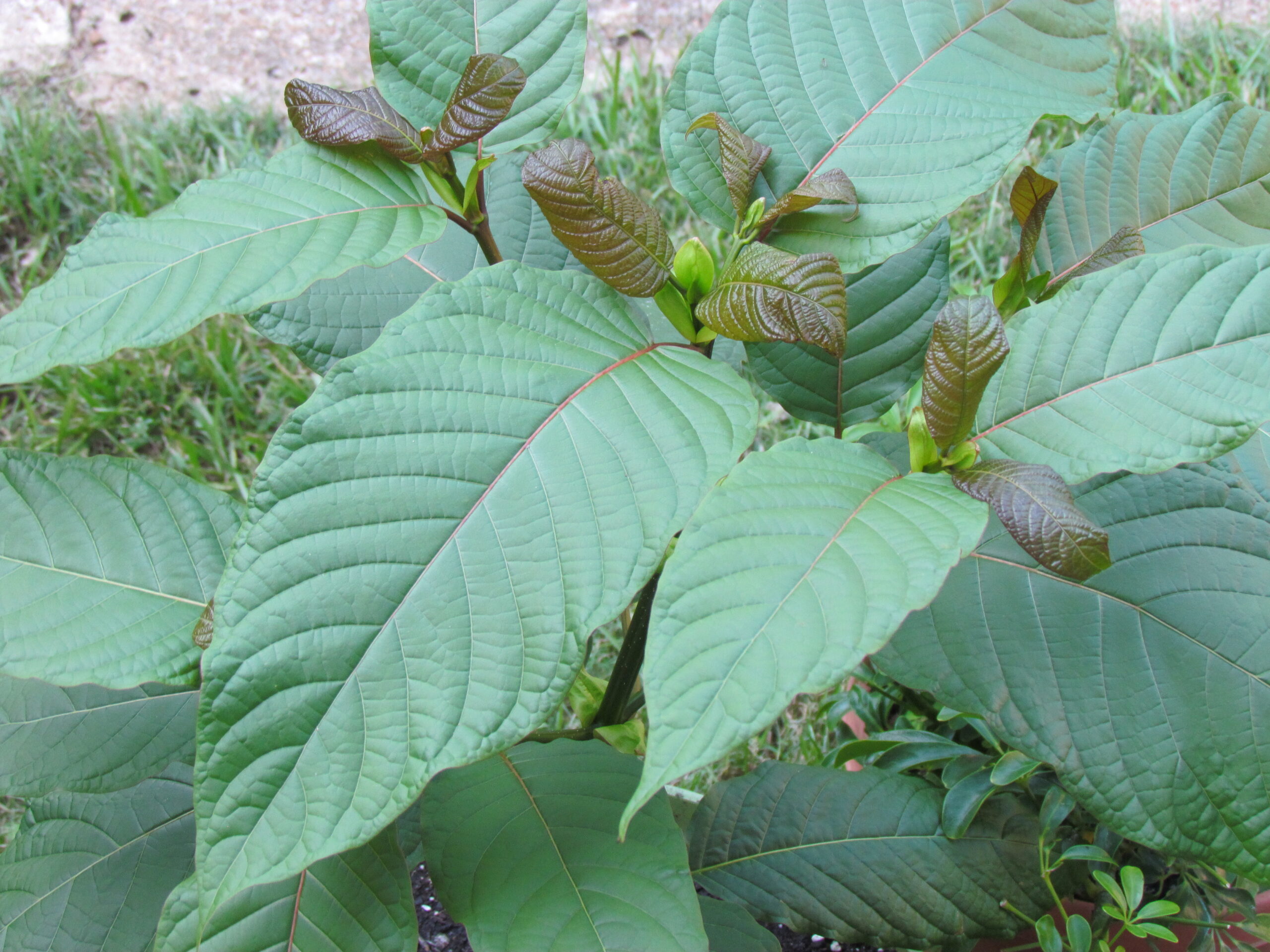
How Kava and Kratom Compare to Cannabis
When comparing Kava, Kratom, and Cannabis, it’s essential to understand the key differences in how they interact with the body. Cannabis is well-known for its psychoactive effects due to its main active ingredient, THC, which binds to the endocannabinoid system in the brain. Both Kratom and Kava, however, affect the brain’s receptors in different ways. Cannabis, especially CBD (cannabidiol), is popular for its pain-relieving and anti-inflammatory properties, while Kratom is known for its opioid-like pain relief and Kava for its calming and anxiety-reducing effects.
The effects of Kratom, specifically, can mimic the sedative effects of cannabis, but with a risk of dependency when used frequently. Cannabis, however, does not carry the same risk when used responsibly. While all three substances are considered natural, Kratom has been linked to concerns about addiction, especially when used in high doses. Research on Kratom usage has highlighted the potential for dependency and serious side effects.
Benefits of Kava and Kratom
Both Kava and Kratom have been shown to offer specific health benefits, but they come with different risks and rewards. Kava is largely associated with anxiety relief and improved mental clarity, making it a great choice for people looking for stress management without feeling “out of it.” Kratom, on the other hand, is more widely used for its pain-relieving and mood-enhancing properties, offering a potential alternative to opioids. However, as mentioned earlier, Kratom’s potential for addiction makes it a substance that requires careful consideration and responsible use.
Potential Risks of Kava and Kratom
Like cannabis, both Kava and Kratom can have side effects if used irresponsibly. Kava, when consumed in large amounts over extended periods, has been linked to liver damage, which is why it is essential to take it in moderation. Kratom, as mentioned before, carries a risk of addiction, with many users developing a tolerance and experiencing withdrawal symptoms. Additionally, there have been reports of Kratom causing nausea, vomiting, and other gastrointestinal issues, especially at higher doses.
It is important to note that, while cannabis has its own set of potential side effects (such as paranoia or memory issues), it remains far less risky in terms of physical dependency compared to Kratom. However, Kava’s soothing effects and Kratom’s ability to alleviate pain make them both valuable for those looking for natural alternatives to pharmaceutical drugs.
Conclusion: Choosing Between Kava, Kratom, and Cannabis
When deciding between Kava, Kratom, and Cannabis, the choice largely depends on your goals. If you’re looking for stress relief or anxiety reduction, Kava may be the best choice, provided you use it in moderation. If you’re dealing with pain or seeking a mood boost, Kratom may work, but it’s essential to understand the potential for addiction and the need for careful dosing. Cannabis, with its wide range of uses, continues to be a safe option for many, particularly when choosing CBD for pain and inflammation.
In the end, while Kava and Kratom both offer unique benefits, it’s essential to consider their risks. Cannabis remains a safer and more widely accepted option, especially as it continues to gain legal ground around the world. If you’re considering any of these substances for health or recreational use, make sure to consult a healthcare professional to understand their full effects and potential interactions with other medications.