
Cannabis and cocaine powder are two substances that are often discussed in the context of recreational drug use, but their effects on the body and society couldn’t be more different. While both have significant cultural and legal histories, they operate on the human brain in unique ways. In this post, we’ll explore the key differences and connections between these substances, as well as their individual effects, risks, and legal status.
First, it’s essential to understand what each of these substances is and how they impact the brain. Where to buy Cocaine powder? Cocaine powder is a highly addictive stimulant derived from the coca plant, typically in the form of a fine, white powder. On the other hand, cannabis is a natural herb that contains compounds like THC and CBD, which have a range of psychoactive and medicinal properties. Despite the stark contrast in their origins, these two substances share certain traits when it comes to their social and health-related impacts.
The Chemical Make-Up: How Cannabis and Cocaine Powder Differ
The key difference between cannabis and cocaine lies in their chemical compositions and their impact on the body’s central nervous system. Cocaine is a potent stimulant, which means it speeds up the activity of the brain and body. When consumed, cocaine blocks the reuptake of dopamine, a neurotransmitter associated with pleasure, which leads to intense feelings of euphoria, heightened energy, and alertness.
Cannabis, on the other hand, contains compounds called cannabinoids, the most well-known being THC (tetrahydrocannabinol). THC works by binding to cannabinoid receptors in the brain and body, altering normal brain communication and producing effects such as relaxation, altered perceptions, and increased appetite. Unlike cocaine, cannabis is not a stimulant but rather a psychoactive substance that can induce a sense of calm or, in some cases, mild euphoria.
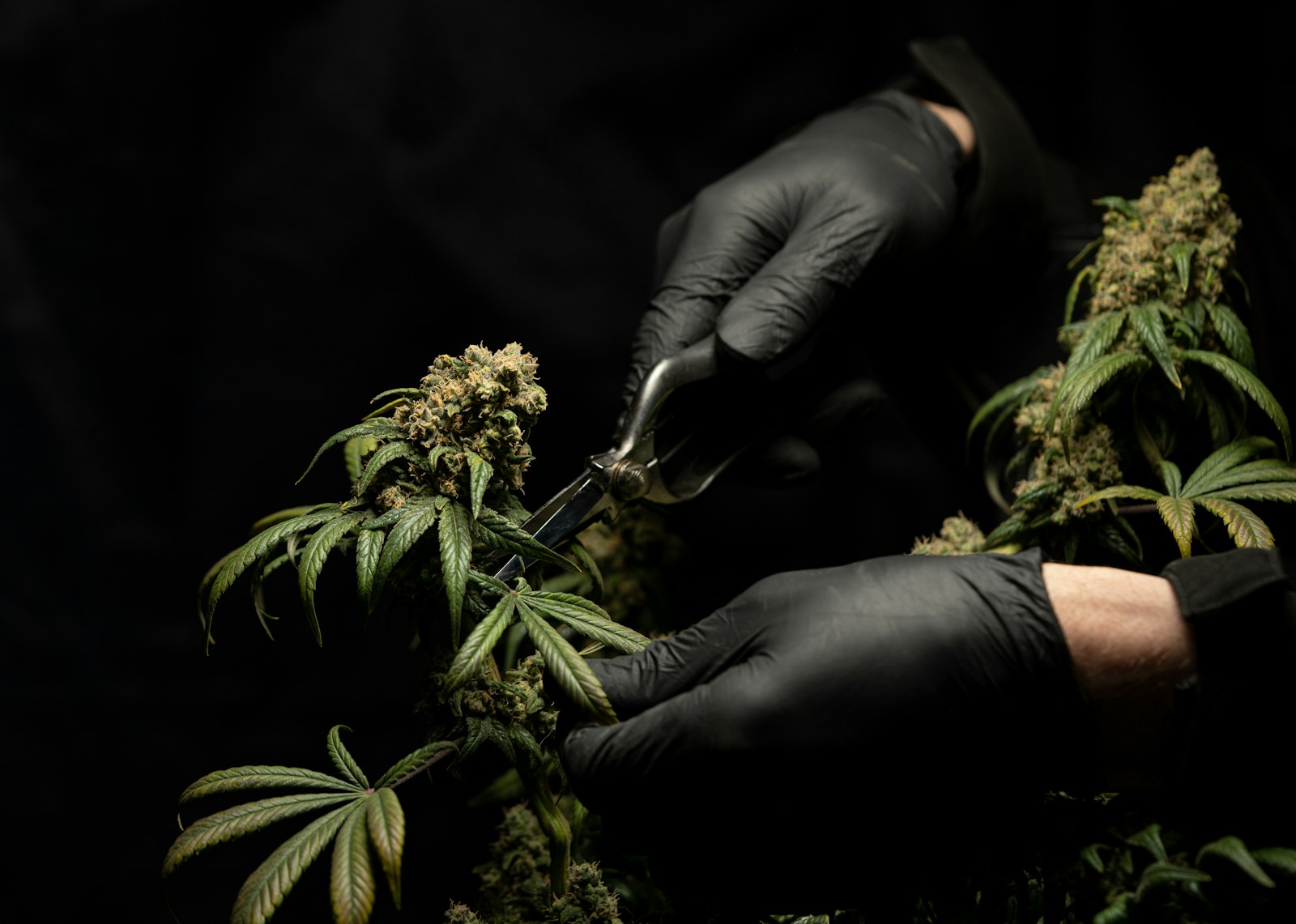
The Health Effects of Cocaine Powder vs Cannabis
The health effects of both cocaine and cannabis can be quite profound, though they are significantly different. Cocaine is known for its high potential for abuse and addiction. Prolonged use of cocaine powder can lead to a range of severe health issues, including cardiovascular problems like heart attack and stroke, mental health issues such as anxiety and paranoia, and damage to the nasal passages and lungs if snorted or smoked.
In contrast, cannabis, particularly when used in moderation, is often considered less harmful than other substances like cocaine. Research has shown that cannabis may offer medicinal benefits for certain conditions, such as chronic pain, nausea, and even anxiety. However, it is not without risks. Prolonged use of cannabis can impair memory, learning, and motor coordination, and heavy use may lead to cannabis use disorder in some individuals.
Legal Status and Societal Impact
The legal status of both cocaine powder and cannabis varies significantly across the globe. Cocaine is illegal in most countries and is classified as a controlled substance due to its addictive nature and potential for abuse. In the United States, for example, cocaine is classified as a Schedule II drug, which means it has a high potential for abuse and has no accepted medical use in treatment, although it is occasionally used for medical purposes in certain forms under strict regulations.
On the other hand, cannabis has seen a shift in its legal status over the past decade, with many countries and U.S. states moving toward decriminalization or legalization for both medicinal and recreational use. In Canada, cannabis is legal nationwide, and several U.S. states have legalized its use for recreational purposes. While cannabis remains a controlled substance in some regions, its overall legal status has been more relaxed compared to cocaine powder.
Interactions Between Cannabis and Cocaine Powder
There is some evidence to suggest that cannabis and cocaine powder may have interactions when used together, though research is still limited. Some individuals may use cannabis in an attempt to counteract the anxiety or restlessness caused by cocaine, while others may use both substances simultaneously for a heightened effect. However, using these substances together can be dangerous and is generally discouraged by health professionals.
One of the primary concerns with combining cannabis and cocaine is the potential for unpredictable effects. Cocaine can heighten the stimulating effects of cannabis, leading to increased heart rate, heightened anxiety, and the possibility of dangerous health outcomes, including overdose. The combination can also place excessive stress on the cardiovascular system, which could result in heart attack or stroke in extreme cases.
Social Stigma and Perceptions
Both cannabis and cocaine are often the subject of social stigma, but they are perceived very differently by society. Cannabis has gradually gained acceptance in many parts of the world, especially in regions where it has been legalized for medicinal or recreational use. People now view cannabis more as a harmless or even beneficial substance, particularly in the context of medical marijuana.
However, cocaine continues to be heavily stigmatized due to its association with addiction, crime, and dangerous behavior. This stigma contributes to the overall negative perception of cocaine, despite some medical applications for its derivatives in specific treatments, such as numbing agents used in surgeries.
Conclusion: Cannabis vs Cocaine Powder
In conclusion, cannabis and cocaine powder are two substances that have very different effects on the body, legal status, and cultural perceptions. While cannabis is increasingly recognized for its potential therapeutic properties, cocaine is known for its high abuse potential and severe health risks. It’s important to be informed about the risks of each substance, especially if considering their use in any form.
Ultimately, both cannabis and cocaine have significant societal impacts, but it is crucial to consider their long-term effects and legal status before making any decisions regarding use. If you or someone you know is struggling with substance abuse, whether it’s cannabis or cocaine, it is important to seek professional help to address the underlying issues and avoid the harmful consequences of misuse.
For more information about the effects and risks of various substances, including cocaine powder, you can visit authoritative sources or consult a medical professional for guidance.